You know, when it comes to cardiovascular interventions, choosing the right device can really make a difference in how patients fare. One standout tool in this space is the Cutting Balloon Catheter, which has become crucial for tackling those tricky vascular lesions. A recent report from the American College of Cardiology highlights that successful outcomes in procedures like percutaneous coronary interventions are increasingly tied to advanced techniques—like what cutting balloons offer.
Over here at Tianck Medical CO., Ltd., we're all about improving those outcomes. Our products are precision-engineered to fit the unique needs of healthcare pros and patients across the globe. So, consider this guide as a handy resource to help clinicians pick the right Cutting Balloon Catheters, ensuring they get the best results in their cardiovascular procedures, all while keeping the highest standards of patient care in mind.
Let’s make every procedure count!
Understanding the Basics of Cutting Balloon Catheters in Cardiovascular Procedures
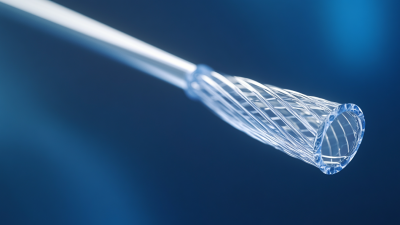
You know, cutting balloon catheters have really changed the game when it comes to cardiovascular procedures, especially for tackling those pesky stenotic lesions. Unlike your typical balloons, these cutting balloons are equipped with this nifty microblade technology that actually makes precise incisions in the arterial plaque while they’re being inflated. This cool dual action not only helps to widen the narrowed area but also does a great job of reducing the risk of any vessel trauma. It’s super important for healthcare professionals to wrap their heads around this innovative design, particularly if they want to get the best outcomes for patients during those complex interventions.
Now, picking the right cutting balloon catheter is just as crucial to ensure a successful cardiovascular treatment. You really have to think about a few things—like the size of the balloon, the type of lesion, and the clinical scenario you're dealing with. Thankfully, cutting balloon catheters come in various sizes and configurations, which helps doctors personalize their approach for each patient's unique needs. When they’re chosen carefully, these catheters can really boost luminal gain and reduce restenosis rates, which just emphasizes how essential they are in today’s cardiovascular care. So, getting a good grip on the basics of cutting balloon technology is key for clinicians who want to up their game when it comes to procedural effectiveness and, of course, keeping patients safe.
How to Choose the Best Cutting Balloon Catheter for Optimal Cardiovascular Outcomes
| Dimension | Value | Description |
| Balloon Diameter | 1.0 - 3.5 mm | Common range for cutting balloon catheters. |
| Balloon Length | 2.0 - 5.0 cm | Typical length options available. |
| Cutting Blade Configuration | Spiral, Longitudinal | Different configurations for optimal plaque engagement. |
| Recommended Inflation Pressure | 8 - 12 atm | Ideal inflation pressure for effective results. |
| Indications for Use | Restenosis, Saphenous vein grafts | Common conditions treated with cutting balloons. |
| Complications | Rupture, Dissection | Potential complications associated with use. |
Key Technical Specifications to Consider for Cutting Balloon Catheters
Choosing the right cutting balloon catheter is super important if you want the best possible outcomes for your cardiovascular patients. You really need to pay attention to some key factors, like the size of the balloon, what it's made of, and any special design features that can affect how well everything goes during angioplasty. The cutting balloon works wonders by making precise little cuts in the tough plaque, which can really boost blood flow and make stent placement a lot easier. In the end, this helps patients recover faster and feel better overall. Oh, and you should know that recent market research shows the U.S. PTCA and cutting balloon catheter market is expected to grow quite a bit, which points to a rise in the demand for those fancy interventional cardiology devices.
A couple of tips here: pay attention to the diameter and length of the catheter—you want those to fit the specific anatomy of the vessel you’re working with. Also, check the pressure ratings on those cutting balloons to make sure they line up with what you need for the procedure. With the market expected to grow, it’s really crucial to keep in the loop about the latest innovations. This knowledge can be a game changer for medical pros and their patients alike.
And here’s something interesting: research shows that there are all sorts of Ptca Balloon catheters out there, from the regular kinds to drug-eluting options, so there’s something to meet just about any patient need. A big player in this field,Tianck Medical CO., Ltd., is all about engineering top-notch products that can keep up with these changing demands, aiming to make a positive difference for patients all around the world.
Comparing Different Types of Cutting Balloons for Specific Cardiovascular Needs
So, when you're picking out a cutting balloon catheter for cardiovascular interventions, it’s super important to get a grip on the different types out there and how they're specifically used. Cutting balloons, which have these nifty sharp blades on their inflatable surface, really shine when it comes to precise vessel dilation—especially when dealing with those tricky complex lesions. You've got your standard cutting balloon, which works like a charm for most cases, but if you're faced with a patient who has heavily calcified arterial walls, then a specialized cutting balloon, like the oversized or non-compliant types, could be the way to go for the best results.
And it's not just about the design of the cutting balloon—size and inflation capabilities are major players too. These balloons come in all sorts of diameters and lengths to match the specific vascular anatomy you’re up against. Like, if you're treating in-stent restenosis, you might need a bigger balloon, while a smaller, more flexible one can be a total game changer for those tortuous vessels. Getting a handle on these differences can really help improve procedural outcomes and cut down on complications. At the end of the day, choosing the right cutting balloon has to fit the individual cardiovascular needs of the patient. It really underscores how vital personalized treatment strategies are when aiming for the best results.
Comparison of Different Types of Cutting Balloons for Cardiovascular Outcomes
Factors Influencing the Selection of Cutting Balloon Catheters
Alright, so when you're trying to pick the right cutting balloon catheter for the best cardiovascular results, there are a few really important things to keep in mind. First off, you've got to think about the balloon's diameter and length. It's kind of a big deal! Research has shown that having the right balloon size can seriously boost your chances of success during the procedure. For example, a recent study from the American College of Cardiology found that if you use a cutting balloon whose diameter matches the artery, you can improve the odds of getting a good lumen diameter by over 70% when compared to the usual angioplasty balloons. Pretty impressive, right?
Then there's the whole design and material aspect of the cutting balloon catheter. A piece published in the Journal of Interventional Cardiology pointed out that catheters made with advanced polymer materials and clever cutting blade designs really up the ante in terms of flexibility and cutting efficiency. This is super important because it helps minimize trauma to the vessels and speeds up healing times. And don’t forget, the catheter you choose should fit the specific clinical scenario, like the characteristics of the lesion and how calcified the vessel is. Tailoring your choice based on these factors can really make a difference in patient outcomes and lower the chances of restenosis. Definitely something to think about!
Best Practices for Utilizing Cutting Balloons to Enhance Patient Outcomes
Hey there! So, when it comes to using cutting balloon catheters for better heart health outcomes, there are definitely some best practices we should keep in mind to ensure things go smoothly and effectively.
First off, giving the patient a good check-up is super important. Clinicians need to dive into the patient's medical history, look at their current conditions, and identify any specific issues that need attention. This kind of personalized care really helps in choosing the right size and type of cutting balloon that fits the patient's unique anatomy and condition perfectly.
Now, after selecting the appropriate cutting balloon catheter, the way we inflate it becomes a big factor in how well things go. It's usually a good idea to start with lower inflation pressures and then gradually ramp up to the ideal level. This approach can help reduce the chances of injuring the blood vessels while still getting the plaque modification done effectively. Plus, keeping an eye on how the patient is responding during the procedure is super crucial. It allows for real-time adjustments to ensure the best outcomes. And let's not forget about post-procedure care! It should all be about supporting the patient's recovery and keeping watch for any possible complications. That way, we can really make the most out of using a cutting balloon while keeping any risks in check.
Exploring the Essential Role of Arterial Catheters in Modern Medical Practice
In modern medical practice, arterial catheters play a crucial role in managing critically ill patients. Also known as arterial lines or A-lines, these thin and flexible tubes are inserted directly into an artery, allowing healthcare providers to continuously monitor blood pressure and obtain frequent blood samples without the need for repeated needle sticks. This continuous monitoring is vital in settings such as intensive care units, where rapid changes in a patient's condition can occur, necessitating prompt interventions.
The significance of arterial catheters extends beyond mere blood pressure monitoring. They are essential tools for assessing a patient’s hemodynamic status, giving physicians real-time data that informs treatment decisions. This information is crucial in guiding fluid resuscitation, medication administration, and overall management of critical conditions. By providing accurate and continuous monitoring, arterial catheters enhance patient safety and improve outcomes in high-stakes medical environments.
FAQS
: Cutting balloon catheters are used to treat stenotic lesions by utilizing microblade technology to make precise incisions into arterial plaque during inflation, aiding in vessel dilation and minimizing trauma.
Unlike traditional balloons that only inflate to widen the artery, cutting balloons incorporate microblades that incise the plaque, providing a dual action that enhances dilation and reduces vessel damage.
Key factors include balloon size, the nature of the lesion, specific clinical scenarios, and matching the catheter's diameter and length to the vessel being treated to ensure optimal outcomes.
Using a cutting balloon with a diameter that matches the artery's size can increase the chances of achieving a satisfactory lumen diameter, improving procedural success rates.
Advanced polymer materials and innovative cutting blade designs are recommended as they provide enhanced flexibility, cutting efficiency, and help reduce vessel trauma.
The pressure rating should align with procedural requirements to ensure the cutting balloon performs effectively during angioplasty, impacting overall patient outcomes.
The U.S. PTCA and cutting balloon catheter market is projected to grow significantly, reflecting an increasing demand for advanced interventional cardiology devices.
By mastering the technical specifications, such as balloon dimensions and materials, and tailoring catheter selection according to individual patient needs and anatomical considerations.
Properly selected cutting balloon catheters can improve blood flow and stent placement, ultimately leading to better recovery times and overall patient outcomes.
The market is diverse, offering a range of options from standard balloon catheters to drug-eluting varieties tailored to meet different patient needs.