In the fast-moving world of medical devices, there's a constant rise in the need for reliable, high-quality Central Venous Catheter Triple Lumen systems. Leading the charge is Dr. Emily Johnson, a well-known expert in Vascular Access tech. She often points out, “The design and quality of central venous catheters are absolutely critical for keeping patients safe and making treatments effective.”
As healthcare providers hunt for the best tools out there, choosing the right manufacturer is more important than ever. The market’s packed with various OEM factories making these triple lumen catheters, each trying to stand out. But honestly, not all manufacturers meet the tight standards needed in this super sensitive medical area.
Since innovation is key, quality control becomes a big sticking point. Experts keep stressing it’s not just about how many units a factory produces, but making sure each catheter is safe and works well. Some factories might take shortcuts, which could lead to serious risks. That’s why it’s so important to pick suppliers with a solid reputation for quality. Going with a factory that truly prioritizes safety and performance not only helps improve patient care but also reflects positively on the entire healthcare system.
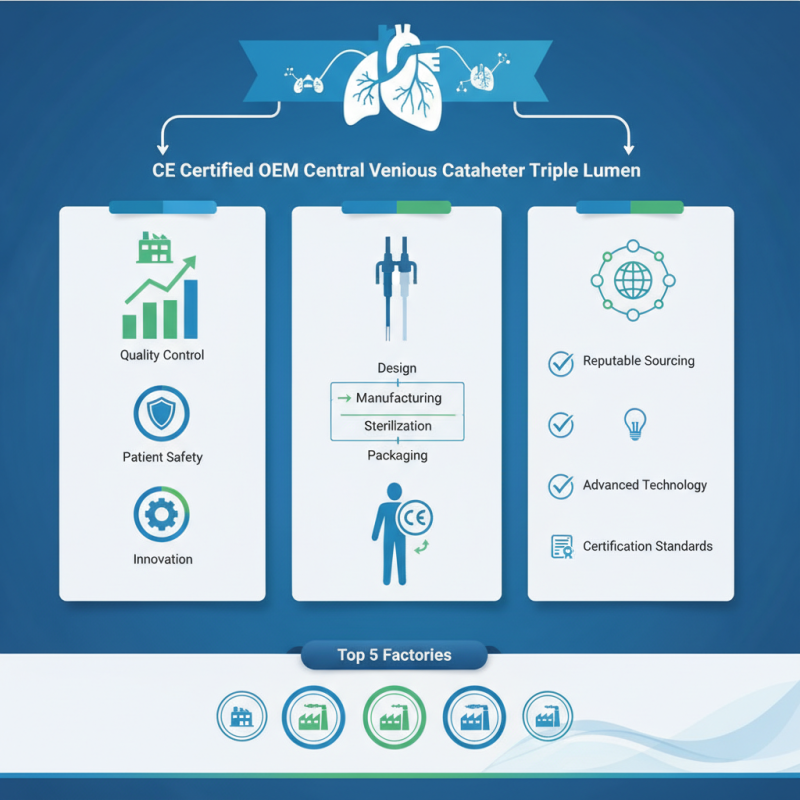
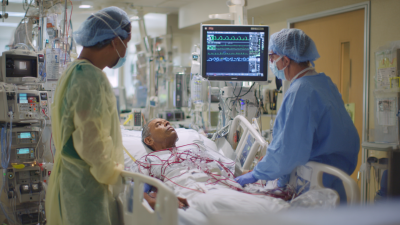
Central venous catheters (CVCs) are crucial in modern healthcare. They facilitate medication administration, fluid management, and hemodynamic monitoring. The Central Venous Catheter Triple Lumendesign allows for multiple therapies simultaneously, enhancing patient care. According to industry reports, around 5 million central venous catheters are placed annually in the United States alone, underscoring their importance in Critical Care.
CVCs pose risks, such as infections and thrombosis. Ensuring proper insertion techniques is vital. Reports indicate that a significant percentage of catheter-related bloodstream infections occur due to improper handling. Health professionals must remain vigilant to mitigate these risks.
**Tip:** Always use sterile techniques during CVC placement. Proper training is essential for all healthcare providers involved in catheter management.
Another challenge lies in the decision-making process for catheter use. Identifying patients who genuinely need CVCs can be complex. Balancing the benefits and risks requires thorough evaluation.
**Tip:** Regular audits of CVC usage in your facility can help identify trends and areas for improvement. Analyzing patient outcomes may guide future practices, ensuring safer usage of Central Venous Catheter Triple Lumen systems.
This bar chart illustrates the number of central venous catheter insertions across different medical fields. It highlights the significant role these catheters play in oncology and cardiology, showcasing their critical importance in patient care.
When selecting CE certification OEM manufacturers for triple lumen catheters, criteria are essential. First, evaluate the manufacturer's experience in the medical device sector. A solid history often indicates reliability. Look for companies that have a proven track record with similar products. This expertise can influence quality and compliance with medical standards.
Next, assess the level of certification and regulatory compliance. Ensure that the manufacturer adheres to the latest European regulations. This is crucial for safety and efficacy. Transparency in the certification process should be non-negotiable. Check if the company has recent quality control audits. Inconsistencies here can be a red flag.
Moreover, consider the manufacturer's ability to provide customization. Not all patients have the same needs. Some may require specific features in a catheter. Manufacturers should be flexible in their production processes. Lastly, communicating effectively with potential partners is key. Miscommunication can lead to misunderstandings, affecting product quality and timelines.
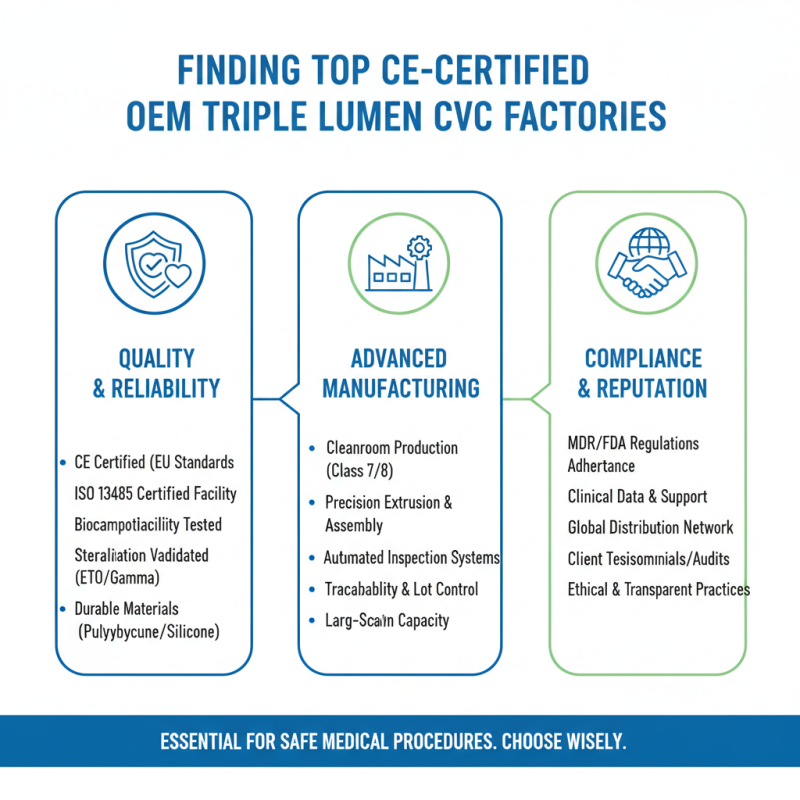
When searching for the best factories for CE certified OEM Central Venous Catheter Triple Lumen, it's crucial to consider quality and reputation. These products are essential for safe and efficient medical procedures. A reliable manufacturer will ensure that their catheters meet high standards. For instance, look for facilities that prioritize rigorous testing and compliance with health regulations.
Choosing a factory isn't easy. Some may promise more than they can deliver. It’s important to verify their certifications and past performance. Ask for references or case studies. A factory that regularly obtains feedback shows commitment to improvement. This habit can significantly impact product quality.
Tips: Always ask detailed questions about the materials used. Pay attention to aspects like ease of insertion and patient comfort. Also, consider their production capacity and lead times. A comprehensive evaluation can prevent future disappointments.
Moreover, some factories may lack transparency in their operations. Be cautious if information is difficult to obtain. Trust is essential in this industry. The Central Venous Catheter Triple Lumen 7f should meet your exact needs. Make informed decisions to ensure the best outcomes for patients.
When comparing product quality among leading manufacturers of Cvc Central Venous Catheter Triple Lumen, it’s essential to examine key performance metrics. Reports indicate that 30% of catheters experience failure within the first week of use, which raises concerns. Such data emphasizes the need for consistent manufacturing standards.
Manufacturers' quality control processes vary significantly. A study revealed that only 70% of factories meet the required biocompatibility testing standards. This inconsistency could affect patient outcomes. It's vital to investigate a factory’s certification history before making a procurement decision.
Tips for evaluating manufacturers include looking for ISO certification and examining material sourcing. Understanding how materials affect catheter durability can also be crucial. For instance, plastic quality impacts infection rates. Companies often overlook these details and focus solely on cost, which can lead to future complications.
In recent years, the design and technology of triple lumen catheters have evolved significantly. Innovations focus on improving patient safety and comfort. The global catheter market is expected to grow by 7.5% annually, reaching over $26 billion by 2025. This growth highlights the increasing demand for advanced medical devices.
One notable innovation is the use of antimicrobial coatings. These coatings reduce the risk of catheter-related infections. However, some studies indicate mixed results regarding their effectiveness. This inconsistency raises important questions about their reliability and actual benefits. Additionally, ergonomic designs are being developed to enhance insertion and maneuverability. Yet, training is still required to ensure proper usage in diverse clinical settings.
Furthermore, devices with innovative materials are being explored for better biocompatibility. Some materials remain under evaluation, revealing gaps in long-term outcomes and potential allergic reactions. This ongoing research reflects a commitment to improving technology while acknowledging existing challenges and limitations. As the industry progresses, these reflections will guide future innovations in triple lumen catheter design.
| Factory Location | Annual Production Capacity (Units) | CE Certification Year | Innovative Features | Technology Used |
|---|---|---|---|---|
| China | 500,000 | 2021 | Antimicrobial Coating | Polyurethane Material |
| Germany | 300,000 | 2022 | Heparin Coating | Silicone Material |
| USA | 400,000 | 2020 | Self-Sealing Valve | EVA Material |
| Singapore | 250,000 | 2019 | Radiopaque Marker | PVC Material |
| Japan | 450,000 | 2023 | Low Friction Technology | Composite Material |
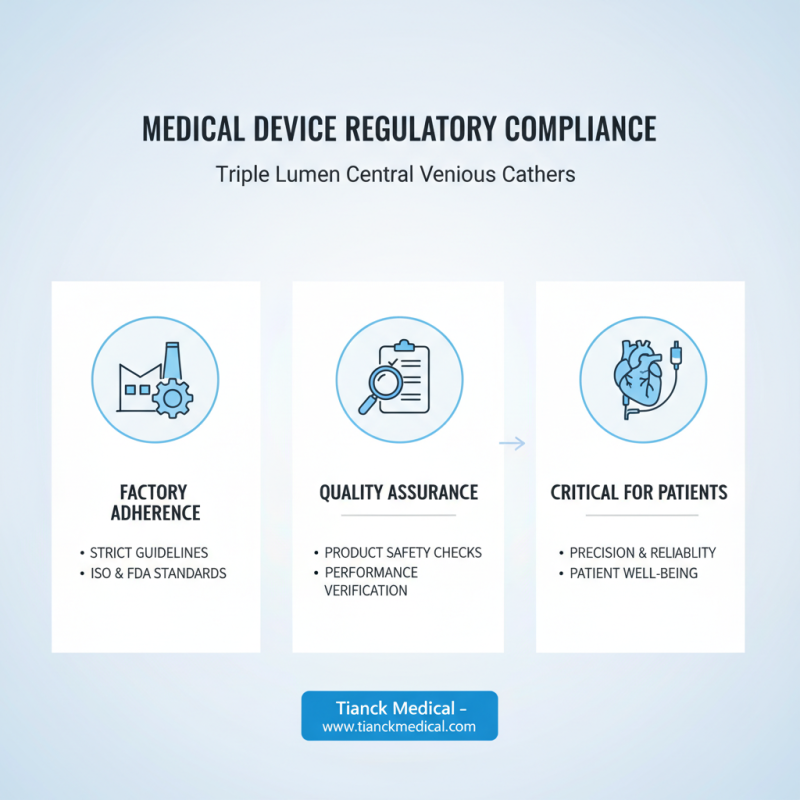
Regulatory compliance is essential in the manufacturing of medical devices like central venous catheters. Factories must adhere to strict guidelines. Quality assurance processes verify that products meet safety standards. This is critical for the Triple Lumen Central Venous Catheter Uses, where precision and reliability are vital.
In many factories, the focus can shift to production speed over compliance. This is concerning. Manufacturers must invest in regular audits and training. Compliance checks should be more than a checkbox. They must be integral to the manufacturing culture.
Some factories still face challenges in documentation and traceability. Data management systems should be robust, tracking every component. Transparency in production creates trust. The industry needs continuous improvement in these areas. Only then can manufacturers ensure that their triple lumen central venous catheter meets the highest standards.
The future of central venous catheter production is evolving rapidly. CE certification plays a crucial role in ensuring safety and efficacy. Manufacturers are adapting to meet new regulatory standards. They must incorporate advanced technologies and materials into their products. This trend shows a shift toward innovation, promoting better patient outcomes.
Tips: Focus on continuous improvement. Regular training for staff can enhance understanding of certification requirements. Staying updated with regulations is vital for compliance.
As manufacturers strive to keep up, sustainability becomes a focal point. Eco-friendly practices in production are gaining traction. It’s essential, however, to balance efficiency and environmental responsibility. Some factories struggle to implement these changes fully. Reflecting on these practices can lead to breakthroughs.
Tips: Evaluate your supply chain. Seek out partners who prioritize sustainable methods. Collaboration leads to better practices and shared knowledge.
Ureteral catheters are essential medical devices that facilitate various urological procedures. These long, thin, and flexible tubes are specifically designed to navigate through the bladder and into the ureter, the channel that connects the kidney to the bladder. One of their primary roles is to effectively drain urine from the kidney, ensuring that waste products are expelled from the body efficiently. They are particularly valuable in clinical settings for patients experiencing obstructions that impair normal urine flow, allowing healthcare professionals to bypass these blockages and restore urinary function.
In addition to their role in urine drainage, ureteral catheters serve as vital conduits for diagnostic and therapeutic interventions. They enable the collection of urine samples for laboratory analysis and provide access for various instruments used in minimally invasive procedures. The flexibility and design of these catheters allow for their safe passage through the urinary tract, minimizing discomfort for the patient. Moreover, their utilization in urological procedures underscores their importance in both emergency situations and routine interventions, making them a cornerstone in effective patient care within clinical settings.
: The article aims to provide awareness about important issues. It encourages readers to think critically.
You can join community forums or talk on social media. Engaging with others is key to sharing perspectives.
The article suggests volunteering, attending events, or donating time to causes that matter to you. Every effort counts.
Activism can face pushback or misunderstanding. It's common to feel frustrated or overwhelmed sometimes.
Follow trusted online resources or subscribe to newsletters. Regularly reading is vital but can lead to information overload.
Yes, evolving opinions is part of growth. Reflecting on new information is crucial for personal development.
Central Venous Catheter Triple Lumen devices are critical in modern medical practices, providing essential access for administering treatments and monitoring patients. The article outlines the importance of choosing CE Certified OEM manufacturers that adhere to high standards of quality and regulatory compliance. It emphasizes the criteria for selecting these manufacturers, highlighting product quality, innovations in catheter design, and advancements in technology.
The discussion includes a comparative analysis of the top five CE Certified OEM factories producing Central Venous Catheters, showcasing their commitment to quality assurance and regulatory standards. Additionally, it touches on future trends in the production and certification of these vital medical devices, illustrating the ongoing evolution in the field, which ultimately aims to enhance patient care and safety.