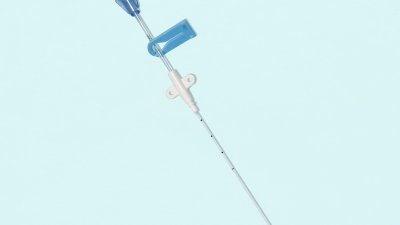
As the global healthcare landscape keeps evolving, demand for advanced medical devices like Ureteral Catheters is rising. By 2025, the worldwide market for urinary catheters is projected to reach roughly $4.4 billion—driven by aging populations and a growing incidence of urinary tract disorders. In this environment, global buyers need to stay on top of market trends to make smart purchasing choices.
At Tianck Medical CO., Ltd., we’re committed to improving patient outcomes through precision-engineered products that support both clinicians and patients. Our focus on quality and innovation puts us at the forefront of the ureteral catheter market, ensuring our offerings meet the highest standards while staying responsive to the changing needs of healthcare. This practical guide aims to share valuable insights on the best ureteral catheters available, helping buyers navigate a competitive landscape and make optimal decisions.
Understanding the Ureteral Catheter Market Landscape for 2025
The ureteral catheter market is set for solid growth as we approach 2025, and the broader global urology devices market is expected to rise from $39.03 billion in 2025 to $64.33 billion by 2032. A 7.4% CAGR signals strong demand for innovative urological solutions, including ureteral catheters. As buyers navigate this evolving landscape, understanding the key market trends is essential. Keep an eye on tech and product advancements, since next-generation ureteral catheters are likely to improve patient comfort and streamline procedures. Regional market dynamics will also matter, with different healthcare systems and regulatory environments shaping purchasing decisions.
Tips:
- Stay up to date on emerging technologies and design innovations in ureteral catheters to pick products that meet the latest standards and patient care protocols.
- Consider regional demand and regulatory compliance when sourcing catheter solutions to help ensure a successful procurement strategy.
Key Trends Impacting Ureteral Catheter Demand and Supply
Demand for ureteral catheters is set to rise noticeably through 2025. It's being driven by more urinary disorders, a growing aging population, and real advances in medical technology. A Market Research Future report puts the global ureteral catheter market near USD 200 million by 2025, signaling a CAGR of about 6.8%. The growth is fueled by greater awareness of minimally invasive procedures and stronger healthcare infrastructure worldwide. Looking ahead, key trends shaping demand include the development of biocompatible materials and antimicrobial coatings, which boost safety and patient comfort. Additionally, the rise in kidney and urological conditions means more catheter options are needed. Markets in the Asia-Pacific region, in particular, are seeing a surge in demand as healthcare access and awareness expand.
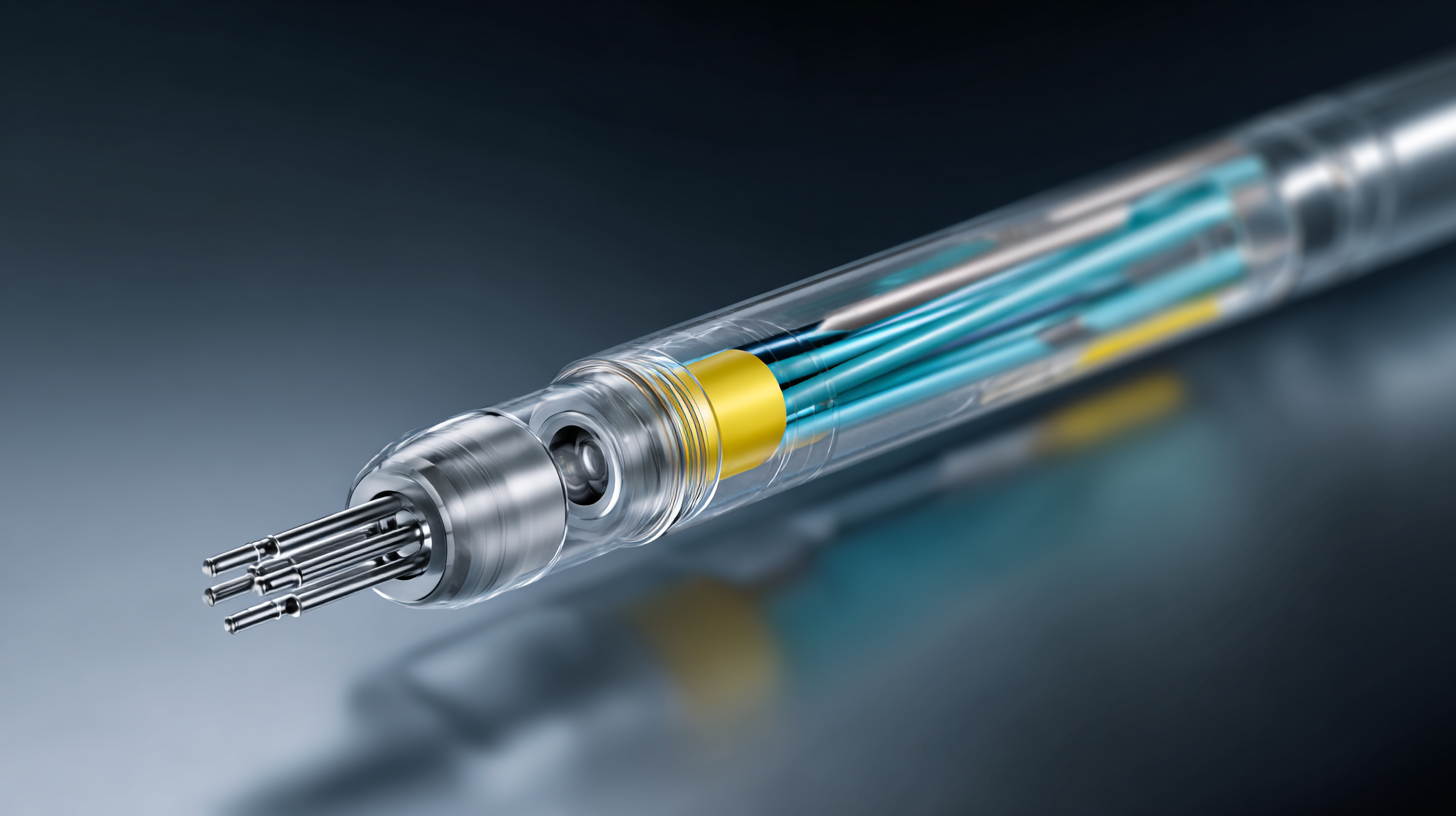
Tip: When sourcing ureteral catheters, pay attention to the materials used—biocompatible options can lower infection risk and improve comfort. Tip: Stay on top of regulatory standards across regions, since compliance can have a big impact on supply chains.
Innovative Technologies Shaping the Future of Ureteral Catheters
As we near 2025, the world of ureteral catheters is heading for real change, thanks to new tech. One of the most exciting strides is the use of smart materials that boost biocompatibility and cut infection rates. These materials don't just feel more comfortable for patients; they also open the door to more personalized medical solutions, letting manufacturers tailor catheters to individual needs.
On top of that, the rise of minimally invasive techniques paired with advanced imaging tech is changing how ureteral catheters are placed and monitored. Real-time imaging helps with precise positioning, shrinking the chances of placement-related complications and ensuring top performance. And there's more: multifunctional catheters with sensors to monitor urine flow and other vital parameters are on the horizon, a development that's likely to improve patient outcomes a lot. As these innovations roll out, buyers around the globe will want to stay in the loop to navigate this evolving landscape effectively.
Strategic Sourcing: How to Identify Reliable Ureteral Catheter Suppliers
By 2025, buyers around the world who are navigating the healthcare market will want to lock in reliable ureteral catheter suppliers. The global urinary catheter market is expected to reach about $4.2 billion by 2025, driven by more widespread urological conditions. That means smart sourcing isn't optional—it's essential. When you're vetting suppliers, look beyond price: consider their industry reputation, certifications, and whether they comply with regulatory standards like ISO 13485. Those checks help ensure consistent quality and safety in medical devices. Tip: when you’re evaluating suppliers, ask for detailed product information, including the materials used and the manufacturing processes. Building a relationship with suppliers who can demonstrate they follow these quality measures can significantly reduce risk. Plus, don’t skip market intelligence. Look for reports that show supplier performance metrics and customer reviews. A recent market analysis found that more than 70% of healthcare professionals prioritize suppliers with a proven track record of innovation and reliability. That trend underscores why thorough supplier assessments matter for long-term partnerships that keep up with evolving market demands. Tip: Engage with other players in the industry—forums and trade shows are great for gathering insights about potential suppliers. Networking can yield recommendations and first-hand experiences that are invaluable in the decision-making process.
Regulatory Considerations for Global Buyers in the Ureteral Catheter Industry
As the ureteral catheter market keeps evolving, buyers around the world need to stay on top of the regulatory stuff that can shape procurement and compliance. A Global Market Insights report projects the market will push past $1.2 billion by 2025, driven by more cases of urinary disorders and smarter catheter tech. Regulatory bodies like the FDA and EMA have rolled out fairly strict guidelines to ensure the safety and effectiveness of medical devices. That means buyers should really get familiar with these rules, because slipping up can hit your bottom line and your reputation hard.
On top of that, understanding regional regulatory variations is essential if you’re sourcing globally. For example, ISO 13485—the quality management standard for medical devices—is a must if you’re operating in multiple markets. Mordor Intelligence data show North America holds the largest share of the ureteral catheter market, thanks to robust regulatory frameworks and a strong focus on innovation. Don’t miss the recent updates either, like Europe’s Medical Device Regulation (MDR), which aims to beef up patient safety and product performance. Navigating these regulations well can give buyers a real edge while helping ensure you’re selecting products that meet quality and compliance standards.
Effective Marketing Strategies for Ureteral Catheters in a Competitive Market
Today's marketplace is tougher than ever, and getting ureteral catheters noticed by buyers worldwide takes real strategy. To stand out, you've got to truly understand what your audience needs. Using data-driven insights to tailor your messages helps you speak directly to healthcare professionals, highlighting the benefits, the innovations, and why they matter. Content that speaks to clinical effectiveness, ease of use, and patient outcomes builds trust and positions your brand as a credible authority in the field. Plus, digital marketing tools—like social media and SEO—can dramatically boost visibility and extend your reach. Offering informative webinars and interactive content lets potential buyers get a clearer picture of ureteral catheter options. Collaborations with industry influencers and respected thought leaders can amplify your messages, making them more relatable and trustworthy. By focusing on these strategic channels, you can more effectively position yourself in the competitive catheter market, driving sales and sustainable growth.
Navigating the 2025 Market Trends for Best Ureteral Catheters
| Market Trend | Description | Target Market | Key Marketing Strategy | Expected Growth Rate (%) |
| Increased Demand for Biocompatibility | Growing preference for catheters made from biocompatible materials to reduce irritation. | Healthcare Providers and Hospitals | Highlighting product materials and benefits through educational marketing. | 12% |
| Technological Advancements | Integration of smart technology to monitor patient conditions. | Tech-Savvy Patients and Affluent Hospitals | Demonstrations and partnerships with tech companies. | 15% |
| Sustainability | Growing demand for eco-friendly products in Medical Supplies. | Environmentally Conscious Buyers | Promoting sustainability initiatives and certifications. | 10% |
| Regulatory Changes | Stricter regulations affecting manufacturing practices and materials. | Manufacturers and Regulatory Bodies | Compliance marketing and proactive communication. | 8% |
| Consumer Education | Increasing emphasis on educating consumers about product use and benefits. | Patients and Caregivers | In-depth content marketing and customer support. | 9% |
Revolutionizing Patient Care: The Importance and Benefits of Arterial Catheters in Modern Medicine
Arterial catheters, commonly referred to as Arterial Lines or A-lines, play a crucial role in modern medicine, particularly in the management of critically ill patients. These thin, flexible tubes are expertly inserted into an artery, allowing healthcare providers to monitor continuous blood pressure accurately. This real-time data is vital for effective patient care, especially in high-stakes environments such as intensive care units where patients are at significant risk of sudden changes in their hemodynamic status.
The benefits of arterial catheters extend beyond simple blood pressure monitoring. They facilitate the frequent collection of blood samples, enabling timely assessments of vital parameters such as oxygen saturation and blood gas levels. This is particularly important for patients undergoing complex medical treatments or surgeries, as it allows for immediate adjustments in therapy based on the patient’s evolving condition. By harnessing the capabilities of arterial catheters, healthcare teams can make informed decisions that enhance patient outcomes and ultimately revolutionize the approach to critical care.
FAQS
: The demand for ureteral catheters is being driven by increasing urinary disorders, a growing aging population, and advancements in medical technology.
The global ureteral catheter market is expected to reach USD 200 million by 2025.
Key advancements include the development of biocompatible materials and antimicrobial coatings that enhance patient safety and comfort.
The demand in Asia-Pacific is rising due to increased awareness and accessibility of healthcare services.
Biocompatible materials can reduce the risk of infection and improve patient comfort.
Buyers need to stay updated on regulatory standards in different regions, as compliance significantly impacts procurement and supply chain decisions.
Smart materials enhance biocompatibility and reduce infection rates, enabling personalized medical solutions tailored to specific patient needs.
Real-time imaging allows for precise positioning of ureteral catheters, reducing the risk of complications and ensuring optimal performance during placement.
ISO 13485 focuses on quality management systems for medical devices, which is crucial for manufacturers operating in multiple markets.
Buyers should be informed about the Medical Device Regulation (MDR) in Europe, which aims to enhance patient safety and product performance.